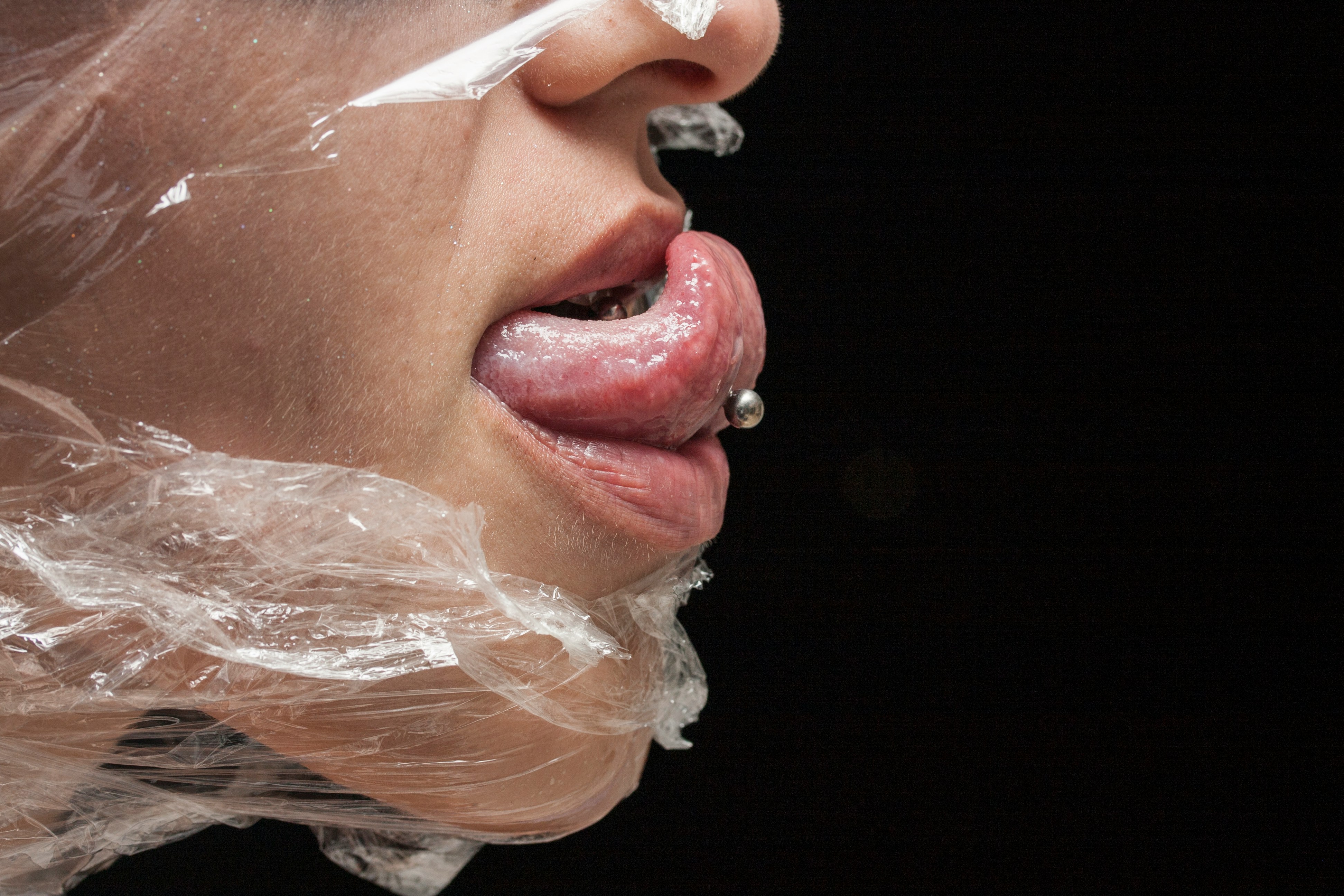
Oral Piercings: Risks and Aftercare
Oral Piercings: Risks and Aftercare
Oral piercings can be a bold form of self-expression, but they also carry unique risks that many people overlook. Unlike other body piercings, oral jewelry sits inside a warm, bacteria-rich environment and remains in constant contact with teeth and gums. Without proper care, this can lead to infections, enamel damage, and long-term gum problems.
If you’re considering a tongue or lip piercing — or already have one — understanding the risks and following the right aftercare steps is essential to protect your oral health.
Common Types of Oral Piercings
Popular oral piercings include tongue piercings, labret (lower lip) piercings, smiley piercings through the upper lip frenulum, and Monroe piercings placed on the upper lip. Each type interacts differently with the surrounding teeth and gum tissues, which affects the level of potential dental risk.
Tongue piercings are especially associated with tooth damage due to constant contact between the metal barbell and enamel. Lip piercings, on the other hand, are more likely to contribute to gum recession over time.
Risks Associated with Oral Piercings
Infection is one of the most common complications. The mouth naturally contains millions of bacteria, and introducing a foreign object increases the risk of bacterial buildup. Signs of infection may include persistent swelling, redness, pus discharge, fever, or severe pain.
Tooth damage is another significant concern. Repeated tapping of metal jewelry against teeth can cause chipped enamel, cracks, or increased sensitivity. Even minor chips can weaken the tooth structure and lead to more serious restorative needs.
Gum recession often develops when jewelry rubs continuously against the gum tissue. As gums recede, tooth roots become exposed, increasing sensitivity and susceptibility to decay.
Excessive swelling, particularly with tongue piercings, can occur during the first few days. In rare cases, swelling may interfere with speech, swallowing, or breathing.
Nerve damage is possible if the piercing is not placed correctly. This may lead to numbness, altered taste sensation, or persistent discomfort.
Oral piercings can also damage existing dental work such as crowns, veneers, or fillings due to friction and impact.
Healing Timeline
Healing times vary depending on the piercing location and your body’s immune response. Tongue piercings typically heal within 4 to 6 weeks, while lip piercings may take 6 to 8 weeks. Frenulum piercings generally require 4 to 8 weeks. Proper hygiene significantly influences how smoothly the healing process progresses.
Essential Aftercare Guidelines
Immediately after getting pierced, rinse gently with a non-alcoholic antiseptic mouthwash. Use saline solution after meals to keep the area clean. Applying cold compresses externally can help reduce swelling. Avoid touching or playing with the jewelry, as this increases irritation and bacterial transfer.
Maintain a consistent oral hygiene routine. Brush twice daily with a soft-bristled toothbrush and clean around the jewelry carefully to prevent plaque buildup. Avoid alcohol-based mouthwashes, which can delay healing. Staying well hydrated supports saliva production and helps naturally cleanse the mouth.
For at least one week after the procedure, avoid spicy, acidic, and salty foods. Refrain from alcohol and tobacco use, as they can irritate tissues and slow healing. Soft foods are recommended during the initial healing phase.
Long-Term Dental Monitoring
Even after healing, oral piercings can gradually cause damage to teeth and gums. Regular dental checkups help detect early enamel wear, gum recession, small fractures, and inflammation before they become serious problems. Preventive monitoring can save both your smile and future dental costs.
If you notice persistent swelling, bleeding gums near the jewelry, chipped teeth, pain while chewing, or signs of infection, seek professional dental care immediately.
Protect Your Smile with Expert Care
At Gargi’s Dental Care in Kolkata, we prioritize both your oral health and overall comfort. Our experienced dental team evaluates the impact of oral piercings on your teeth and gums and provides personalized guidance to prevent complications. Whether you’re considering a piercing or experiencing discomfort from an existing one, professional evaluation can make a significant difference.
If you have concerns about tooth damage, gum recession, or infection related to an oral piercing, book a consultation at Gargi’s Dental Care today. Protect your smile with expert, preventive dental care you can trust.