How to Manage Pain After Root Canal Treatment
How to Manage Pain After Root Canal Treatment
Root canal treatment often gets an unfair reputation. In reality, it is performed to relieve pain, not cause it. After the procedure, some mild discomfort or sensitivity is normal for a few days as the surrounding tissues heal. This temporary soreness is usually manageable with simple aftercare and proper guidance.
Knowing what to expect after a root canal can help you recover comfortably and avoid unnecessary worry.
Is Pain Normal After a Root Canal?
Yes, mild pain or tenderness after treatment can happen, especially when the tooth was infected or inflamed before the procedure.
You may notice:
- soreness while chewing
- sensitivity when biting down
- mild jaw discomfort from keeping the mouth open
- tenderness around the treated tooth
- slight gum irritation near the area
These symptoms usually improve within a few days.
Why Does Discomfort Happen?
Even though the nerve inside the tooth is removed during a root canal, the tissues around the tooth root still need time to settle.
Pain may come from:
- pre-existing infection or inflammation
- irritation of tissues during treatment
- pressure on the tooth after the procedure
- temporary bite imbalance
- jaw muscle strain during a long appointment
This is generally part of the healing process.
Best Ways to Manage Pain After Root Canal Treatment
Take Medications as Advised
Use the pain relief medication recommended by your dentist. This may include over-the-counter or prescribed options depending on your case.
Always follow dosage instructions carefully.
Avoid Chewing on That Side
Give the treated tooth time to settle, especially in the first few days.
Choose softer foods such as:
- rice
- yogurt
- dal
- soft vegetables
- soups
- eggs
Avoid hard, crunchy, or sticky foods.
Use a Cold Compress
If there is mild swelling or discomfort in the jaw area, apply a cold compress outside the cheek for short intervals.
Keep the Area Clean
Continue brushing gently and maintain oral hygiene. Clean surroundings reduce irritation and support healing.
Rest If Needed
Stress and clenching can worsen soreness. If possible, rest and avoid unnecessary strain after treatment.
Important If a Permanent Crown Is Pending
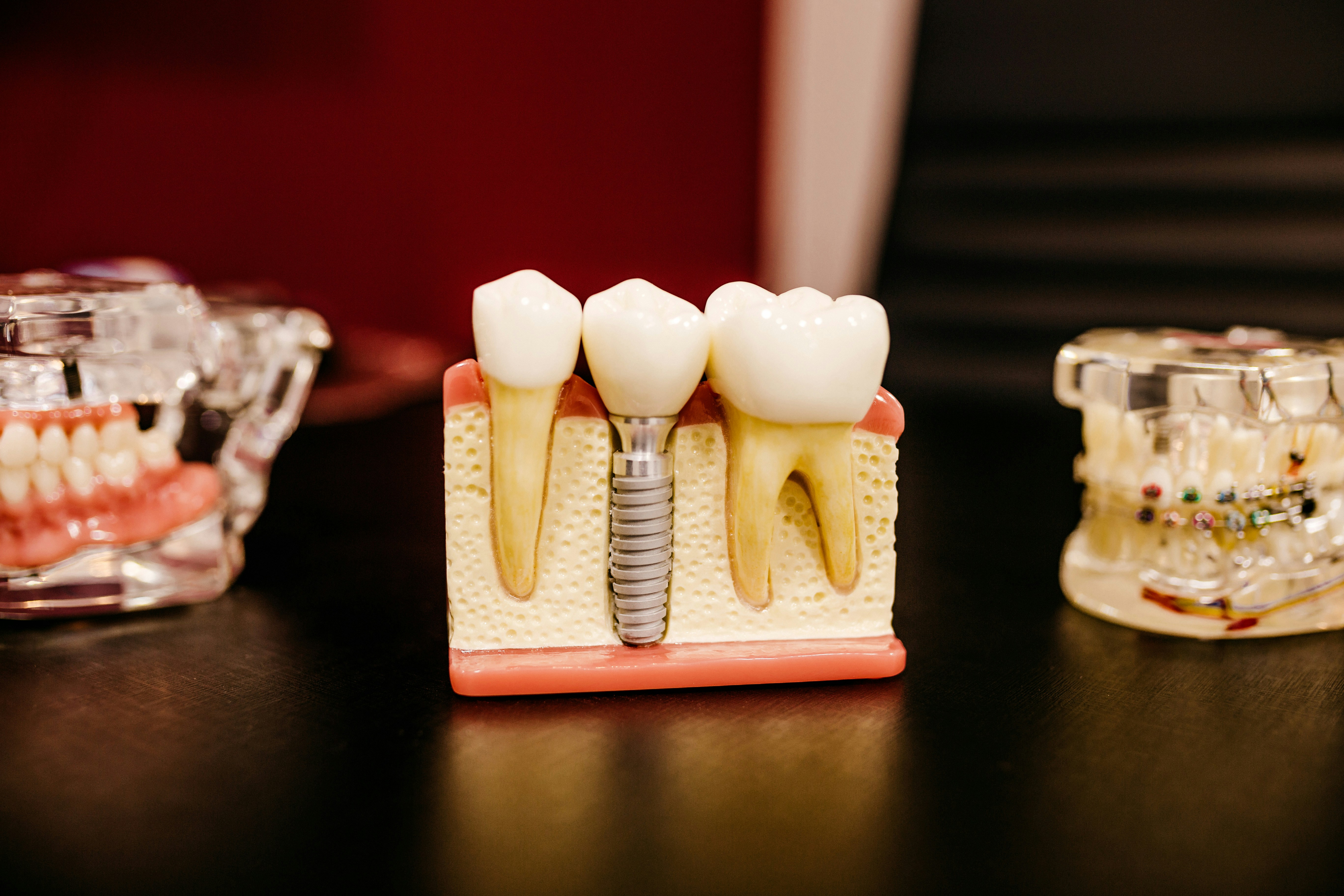
Many root canal-treated teeth require a crown afterward to protect the tooth from fracture. If you only have a temporary filling:
- avoid chewing hard foods on that tooth
- return for the crown promptly
- do not delay final restoration unnecessarily
Waiting too long increases the risk of breakage.
What to Avoid After Root Canal Treatment
- chewing ice or hard foods
- sticky sweets
- smoking
- grinding or clenching teeth
- skipping medications if prescribed
- ignoring follow-up appointments
These habits may worsen discomfort or delay healing.
When to Call the Dentist
Contact your dentist if you experience:
- severe or worsening pain after a few days
- swelling of gums or face
- fever
- pain that prevents sleep
- high bite feeling (tooth hits first)
- temporary filling falling out
- persistent sensitivity while biting
These may indicate the need for adjustment or further evaluation.
How Long Does Recovery Take?
Most patients feel significantly better within 2–7 days. Complex infections may take longer to settle, but pain should gradually improve — not worsen.
Can a Root Canal Fail?
Most root canal treatments are successful, but occasionally additional treatment may be needed due to hidden canals, cracks, or persistent infection. Regular follow-up helps ensure long-term success.
Expert Root Canal Care at Gargi’s Dental Care
At Gargi’s Dental Care in Kolkata, we perform root canal treatments with modern techniques focused on precision, comfort, and long-term relief. If you’re experiencing pain after treatment or need evaluation for tooth infection, our team provides timely and personalized care.
Don’t let fear or lingering discomfort stop you from protecting your tooth.
Book your consultation at Gargi’s Dental Care today for expert root canal care and confident recovery.