How to Take Care of Temporary Dental Crowns
How to Take Care of Temporary Dental Crowns
If you're getting a permanent dental crown, your dentist will often place a temporary dental crown to protect your tooth while the final restoration is being fabricated. Although temporary crowns are designed to last for only a short period, they play an important role in protecting your tooth, maintaining its function, and preserving your smile.
Taking proper care of a temporary crown can help prevent damage, discomfort, or unexpected delays in your treatment. Here are some practical tips to keep your temporary crown secure until your permanent one is ready.
What Is a Temporary Dental Crown?
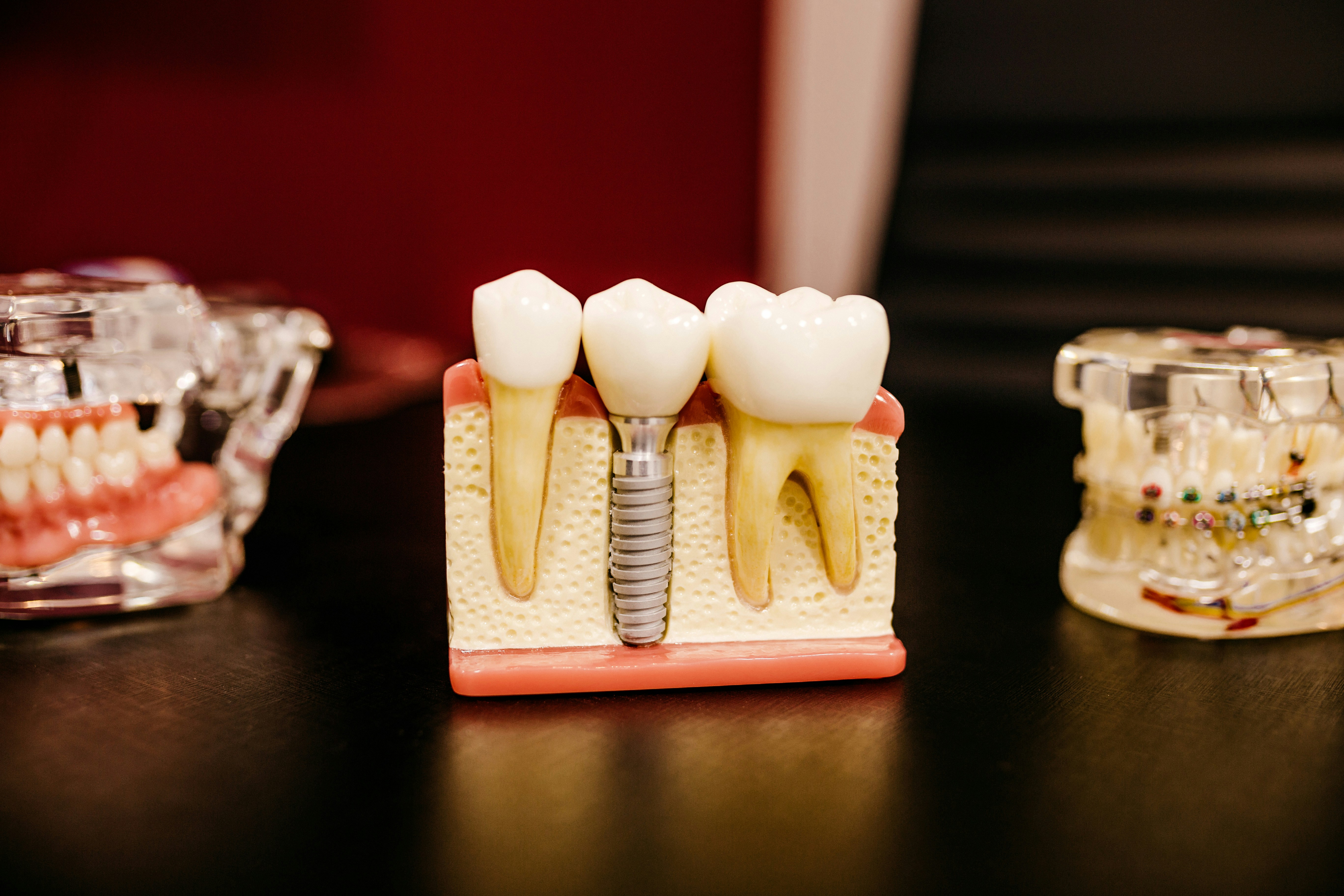
A temporary dental crown is a short-term cap placed over a prepared tooth after it has been shaped for a permanent crown.
It helps to:
- protect the exposed tooth
- reduce sensitivity
- maintain proper spacing between teeth
- support normal chewing and speaking
- preserve the appearance of your smile
Temporary crowns are usually made from acrylic or composite materials and are attached with temporary dental cement, making them easier to remove during your next appointment.
Why Proper Care Is Important
Unlike permanent crowns, temporary crowns are not designed to withstand long-term wear and tear.
Without proper care, they may:
- become loose
- crack or break
- fall off
- allow bacteria to reach the prepared tooth
Following your dentist's instructions helps ensure your treatment progresses smoothly.
Avoid Sticky Foods
Sticky foods can pull a temporary crown loose.
It's best to avoid:
- chewing gum
- caramel
- toffees
- sticky candies
- chewy sweets
These foods can dislodge the temporary cement holding the crown in place.
Be Careful with Hard Foods
Hard foods may crack or loosen a temporary crown.
Try to avoid biting directly into:
- ice
- hard nuts
- popcorn kernels
- hard candies
- very crunchy snacks
Cut firm fruits and vegetables into smaller pieces before eating.
Chew on the Opposite Side
Whenever possible, chew using the side of your mouth that does not have the temporary crown.
This reduces unnecessary pressure and lowers the risk of the crown becoming loose.
Brush Gently
Continue brushing your teeth twice a day using a soft-bristled toothbrush.
When cleaning around the temporary crown:
- brush gently
- avoid excessive pressure
- use fluoride toothpaste
Maintaining good oral hygiene helps prevent plaque buildup around the treated tooth.
Floss Carefully
Flossing is still important, but it should be done with extra care.
Instead of pulling the floss upward between the teeth, slide it gently out through the side after cleaning. This technique reduces the chance of accidentally lifting the temporary crown.
If you're unsure about the correct method, ask your dentist for a demonstration.
Avoid Extremely Hard or Very Hot Foods Initially
Immediately after the temporary crown is placed, the dental cement needs time to set.
For the first few hours, it's advisable to avoid:
- hard foods
- sticky foods
- very hot beverages
Your dentist will let you know when it's safe to resume your normal diet.
Watch for Sensitivity
Some mild sensitivity to hot, cold, or pressure is common after crown preparation.
However, contact your dentist if you experience:
- severe pain
- persistent sensitivity
- swelling
- difficulty biting
- pain that worsens over time
These symptoms may indicate that the tooth requires further evaluation.
What If the Temporary Crown Falls Off?
If your temporary crown comes off:
- keep the crown in a clean container
- avoid chewing on the affected tooth
- contact your dentist as soon as possible
- do not attempt to permanently reattach it yourself
Leaving the prepared tooth uncovered for an extended period may increase sensitivity and make it more difficult to fit the permanent crown accurately.
Don't Delay Your Permanent Crown Appointment
Temporary crowns are not intended for long-term use.
Missing your scheduled appointment may increase the risk of:
- crown damage
- tooth sensitivity
- shifting of nearby teeth
- changes in the fit of the permanent crown
Attending your follow-up visit on time ensures the permanent crown can be placed as planned.
Signs You Should Contact Your Dentist
Seek dental advice if you notice:
- a loose temporary crown
- the crown falling out
- cracks or damage to the crown
- severe pain or swelling
- difficulty chewing
- an uneven bite
Prompt attention can prevent further complications.
Protect Your Smile with Expert Restorative Care
Temporary crowns are an important step toward restoring the strength, function, and appearance of your tooth. By following a few simple precautions, you can help ensure your permanent crown fits comfortably and lasts for many years.
Crown Treatment at Gargi's Dental Care
At Gargi's Dental Care in Kolkata, we provide high-quality restorative dental treatments using modern techniques and personalized care. Whether you need a dental crown, root canal treatment, or a complete smile restoration, our experienced team is committed to making your treatment comfortable, effective, and long-lasting.
If you've recently received a temporary crown or are planning to get one, we're here to guide you through every step of the process.
Book your appointment at Gargi's Dental Care today and let us help you restore your smile with confidence.