Oral Health Risks of Frequent Snacking
Oral Health Risks of Frequent Snacking
Snacking has become a regular part of modern lifestyles. A biscuit with tea, chips between meetings, sweets after lunch, or late-night munching may seem harmless. But when snacking becomes frequent — especially on sugary or starchy foods — it can quietly damage your teeth and gums.
It’s often not just what you eat, but how often you eat that affects oral health.
Why Frequent Snacking Is a Problem
Every time you eat, bacteria in your mouth feed on leftover sugars and carbohydrates. They produce acids that attack tooth enamel.
After each snack, your mouth goes through an “acid attack” that can last around 20–30 minutes. If you snack repeatedly throughout the day, your teeth face continuous acid exposure with little time to recover.
This increases the risk of decay and enamel wear.
Higher Risk of Cavities
One of the biggest consequences of frequent snacking is tooth decay.
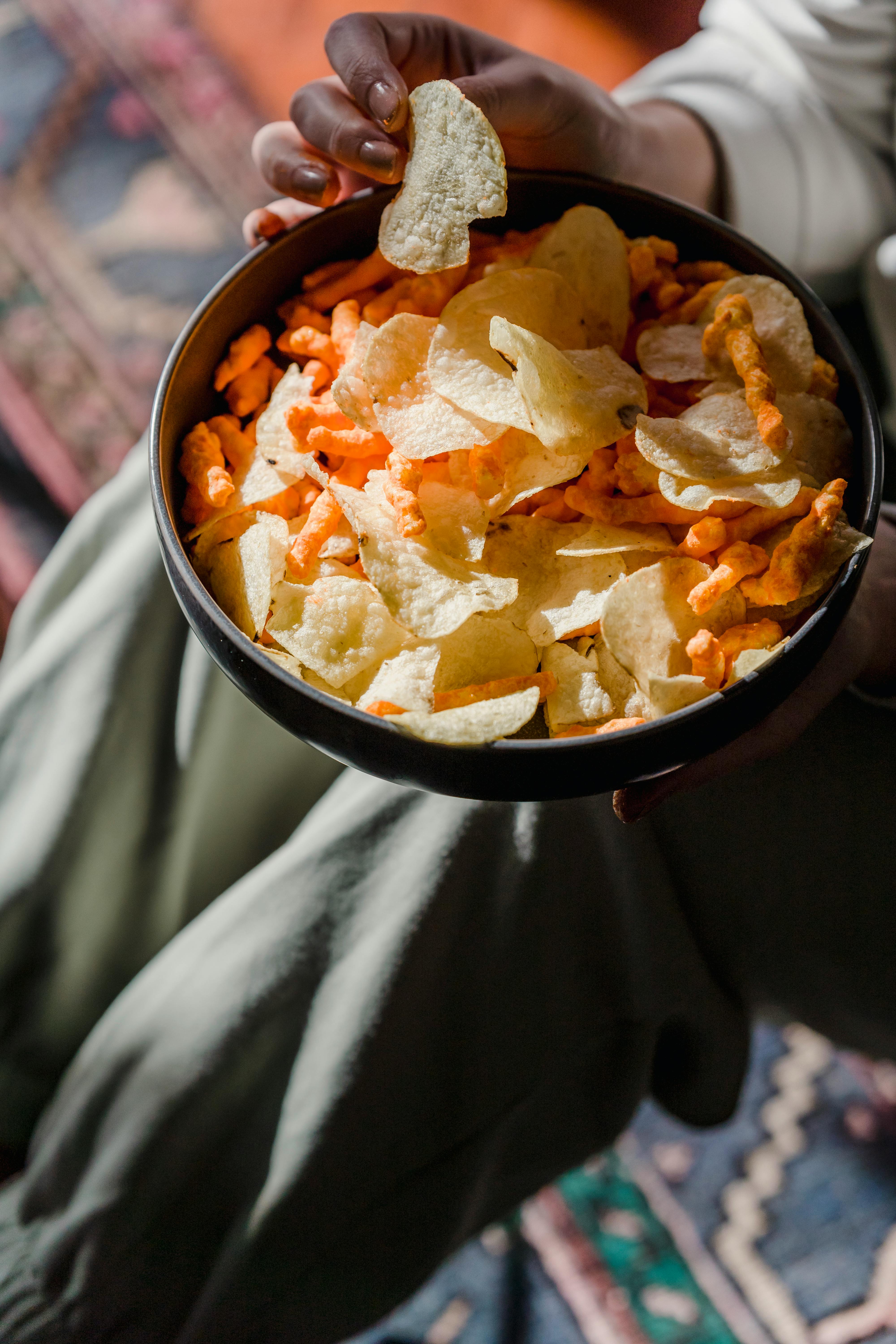
Sugary foods like biscuits, chocolates, candies, and sweet drinks are especially harmful. Even starchy snacks like chips and crackers break down into sugars that feed oral bacteria.
The more often teeth are exposed to these foods, the greater the chance of cavities forming.
Enamel Erosion
Frequent acidic snacks and beverages can gradually weaken enamel, the protective outer layer of teeth.
Common culprits include:
- soft drinks
- packaged juices
- sports drinks
- citrus snacks
- flavored sodas
Once enamel wears away, it does not grow back.
Gum Problems
Constant snacking can increase plaque buildup around the gumline, especially if brushing is delayed or inconsistent.
This can lead to:
- swollen gums
- bleeding while brushing
- gingivitis
- long-term gum disease if ignored
Bad Breath
Food particles trapped between teeth and on the tongue allow bacteria to multiply. Frequent snacking means bacteria are repeatedly fueled throughout the day, often causing persistent bad breath.
Dry Mouth and Reduced Protection
Many snackers also sip tea, coffee, or sugary drinks instead of water. Combined with stress or busy schedules, this can reduce saliva flow.
Saliva is essential because it:
- washes away food debris
- neutralizes acids
- helps repair early enamel damage
Less saliva means higher dental risk.
Sticky Snacks Are Worse
Some snacks remain on teeth longer, making them more harmful.
Examples include:
- toffees
- caramel sweets
- dried fruits
- cookies
- syrupy desserts
These cling to teeth and keep feeding bacteria long after eating.
Healthier Snacking Habits for Teeth
You don’t need to stop snacking completely. Smarter habits make a big difference.
Choose tooth-friendlier snacks such as:
- nuts
- cheese
- fresh fruits
- yogurt (low sugar)
- raw vegetables
Try to limit snacks to set times instead of constant grazing.
Practical Ways to Reduce Damage
Protect your oral health with these habits:
- rinse your mouth with water after snacks
- avoid sipping sugary drinks slowly over time
- chew sugar-free gum after meals if brushing isn’t possible
- brush twice daily with fluoride toothpaste
- floss once a day
- wait a little before brushing after acidic foods
When to See a Dentist
If you snack frequently and notice any of the following, it’s wise to get checked:
- tooth sensitivity
- bad breath
- bleeding gums
- visible stains or cavities
- frequent food getting stuck
Early treatment prevents more serious problems.
Preventive Care at Gargi’s Dental Care
At Gargi’s Dental Care in Kolkata, we help patients manage lifestyle-related dental issues through preventive care, personalized guidance, and modern treatment solutions. If frequent snacking has led to sensitivity, cavities, or gum concerns, our team can help restore and protect your smile.
Healthy teeth don’t require perfection — they require smart habits.
Book your appointment at Gargi’s Dental Care today and keep your smile strong, even with a busy lifestyle.