Understanding Different Types of Oral Surgeries
Understanding Different Types of Oral Surgeries
Oral surgery sounds intimidating to many people, but it often refers to common, safe, and highly effective procedures used to treat dental problems that cannot be solved with routine treatments alone. From removing impacted teeth to placing dental implants, oral surgeries play an important role in restoring oral health, function, and comfort.
Understanding the different types of oral surgeries can help reduce anxiety and prepare you for treatment if it is ever recommended.
What Is Oral Surgery?
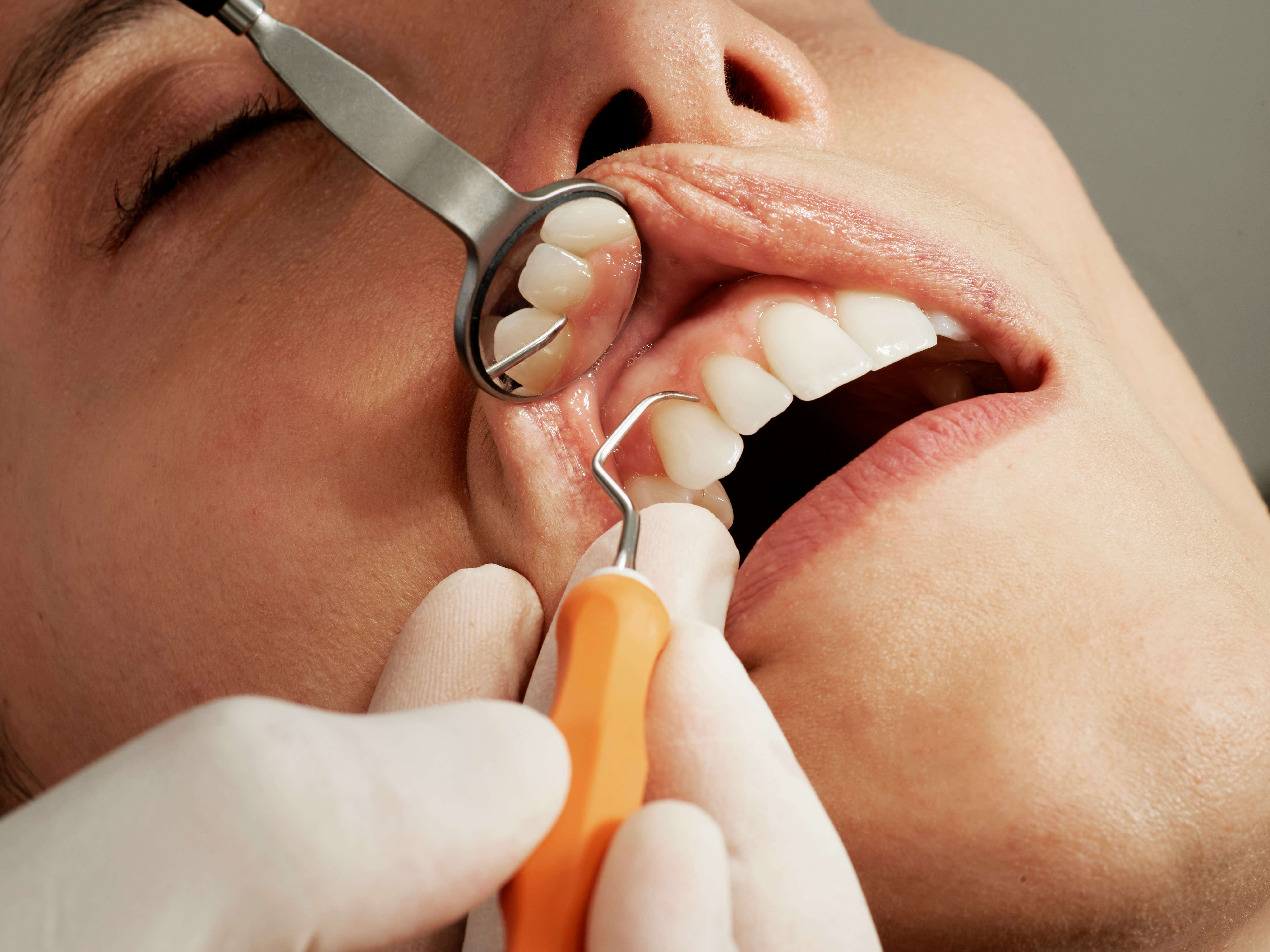
Oral surgery includes procedures performed on the teeth, gums, jawbone, or surrounding oral tissues. These surgeries are usually done under local anesthesia, sedation, or in some cases advanced pain-control methods depending on complexity.
They may be recommended to:
- remove diseased or impacted teeth
- treat infections
- replace missing teeth
- correct jaw issues
- repair damaged tissues
- improve oral function and long-term health
Tooth Extraction
One of the most common oral surgeries is tooth extraction.
A tooth may need removal when it is:
- severely decayed beyond repair
- fractured deeply
- loose due to gum disease
- overcrowding other teeth
- causing repeated infection
Simple extractions are straightforward, while surgical extractions may be needed for broken or impacted teeth.
Wisdom Tooth Surgery
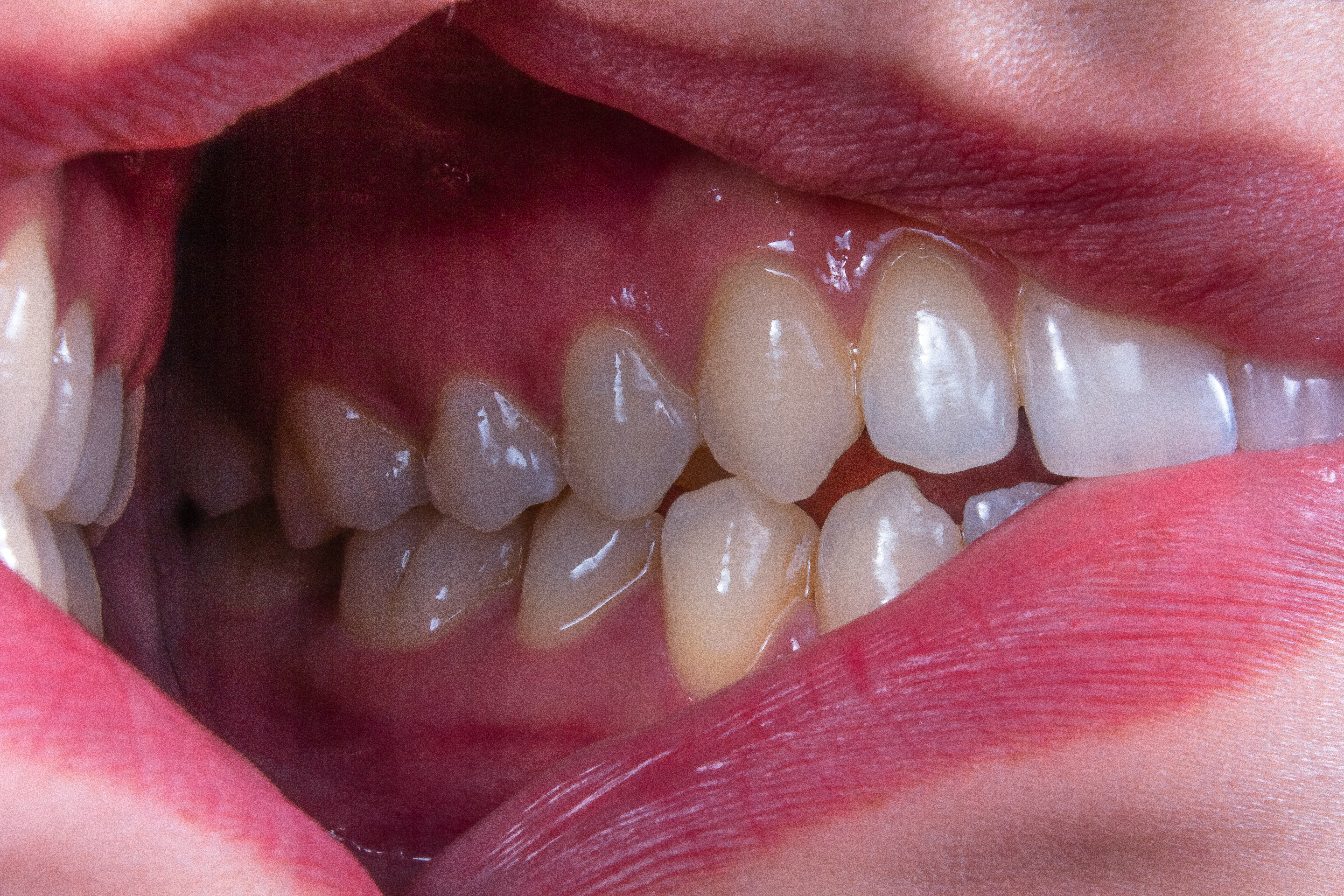
Wisdom teeth often erupt in late teens or early adulthood. If there is not enough space, they may become impacted, partially erupted, or infected.
Wisdom tooth surgery may be advised if they cause:
- pain
- swelling
- repeated gum infection
- crowding
- damage to nearby teeth
- cyst formation risk
Removing problematic wisdom teeth early can prevent future complications.
Dental Implant Surgery
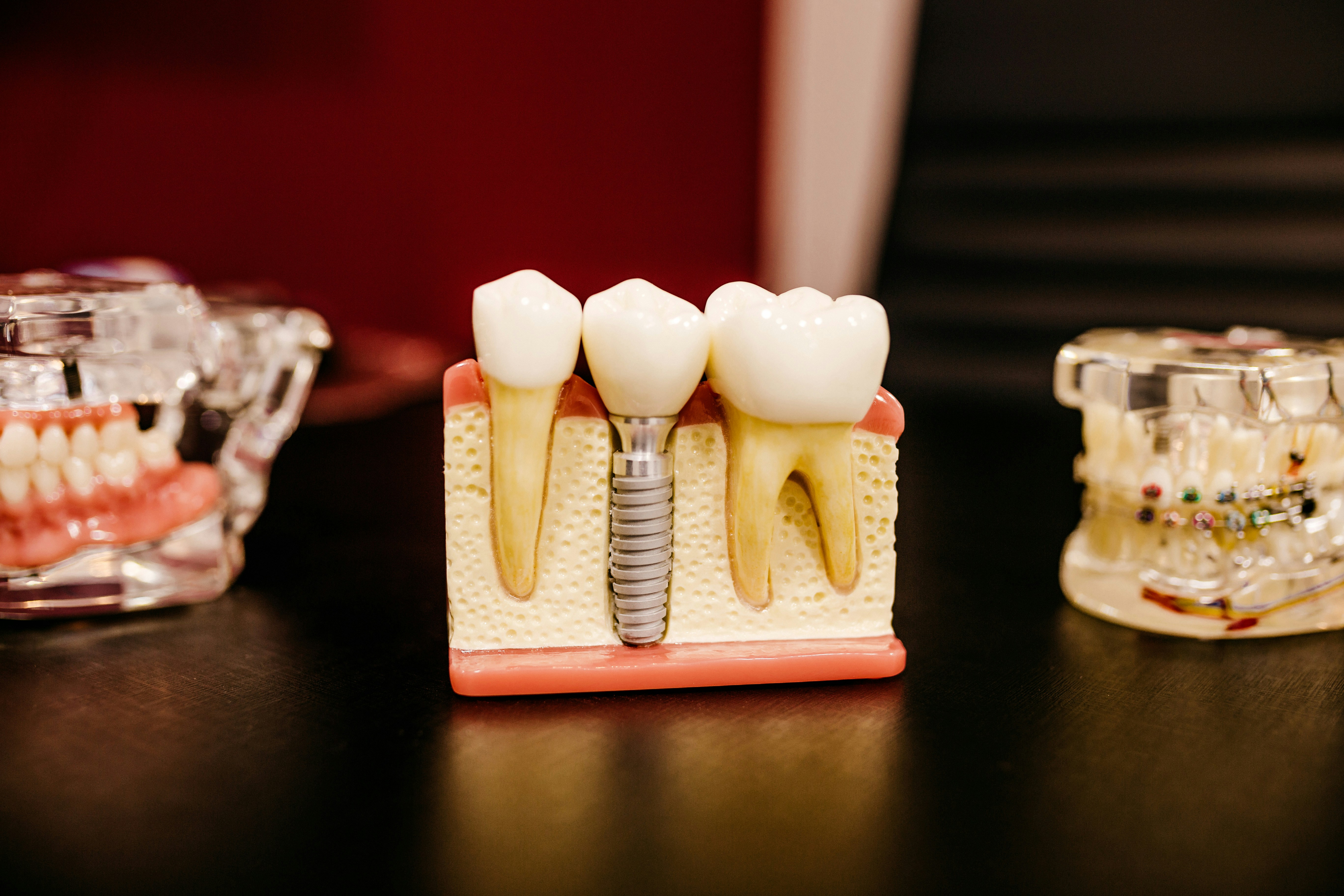
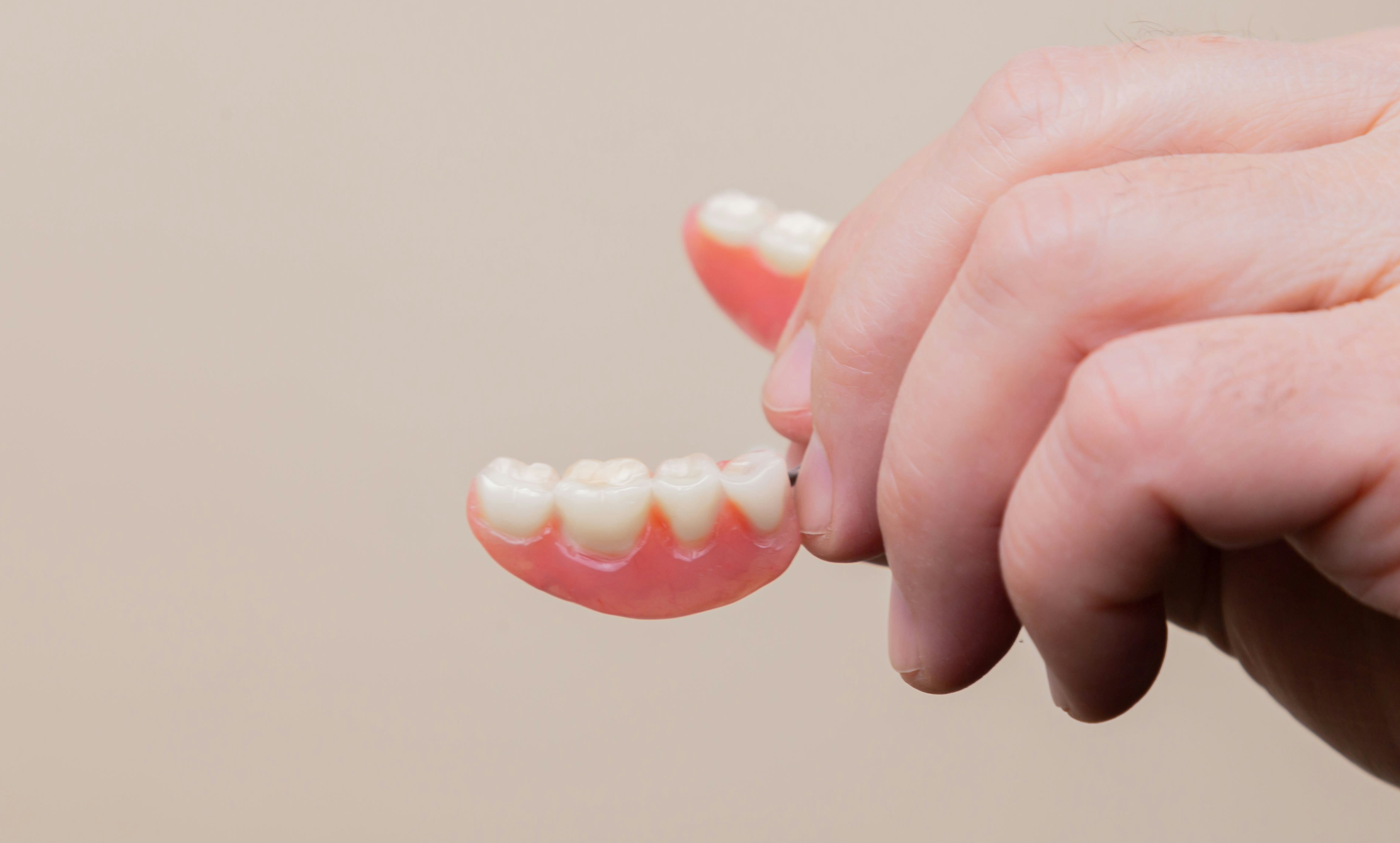
Dental implants are titanium or biocompatible posts placed into the jawbone to replace missing tooth roots. They support crowns, bridges, or dentures.
Implant surgery is popular because it can:
- restore chewing ability
- preserve jawbone
- improve smile aesthetics
- offer long-term stability
Healing time varies as the implant integrates with bone.
Gum Surgery (Periodontal Surgery)
Advanced gum disease may require surgical treatment when deep pockets or bone loss develop.
Common gum surgeries include:
- flap surgery for deep cleaning below gums
- gum grafting for recession
- regenerative procedures to support bone healing
These procedures aim to save teeth and restore gum health.
Root-End Surgery (Apicoectomy)
If infection persists after a root canal, an apicoectomy may be recommended. This involves removing the infected tip of the root and sealing it.
It can help preserve a tooth that might otherwise need extraction.
Corrective Jaw Surgery
Also called orthognathic surgery, this is used for significant jaw alignment problems that affect bite, speech, facial balance, or breathing.
It may be considered for severe:
- overbite
- underbite
- asymmetry
- chewing difficulty
- sleep-related airway concerns
This is typically coordinated with orthodontic treatment.
Biopsy and Soft Tissue Surgery
Unusual lumps, persistent ulcers, or suspicious tissue changes in the mouth may require minor surgery or biopsy.
This helps diagnose conditions early and rule out serious disease.
Bone Grafting
When jawbone volume is insufficient for implants or has shrunk after tooth loss, bone grafting may be recommended.
This rebuilds bone support and improves implant success.
Is Oral Surgery Painful?
Modern anesthesia and techniques make most oral surgeries more comfortable than many patients expect. Mild soreness, swelling, or temporary discomfort after the procedure is common, but manageable with aftercare instructions and medication when prescribed.
Recovery Tips After Oral Surgery
Depending on the procedure, recovery may include:
- rest for the first 24 hours
- soft foods
- avoiding smoking and alcohol
- careful oral hygiene
- taking medications as directed
- attending follow-up visits
Healing time varies from days to several months depending on treatment type.
When Should You See a Dentist?
Consult a dental professional if you have:
- recurring tooth pain
- swelling or infection
- impacted wisdom teeth symptoms
- missing teeth
- gum recession or loose teeth
- jaw pain or bite problems
- mouth sores that do not heal
Early evaluation often means simpler treatment.
Surgical Dental Care at Gargi’s Dental Care
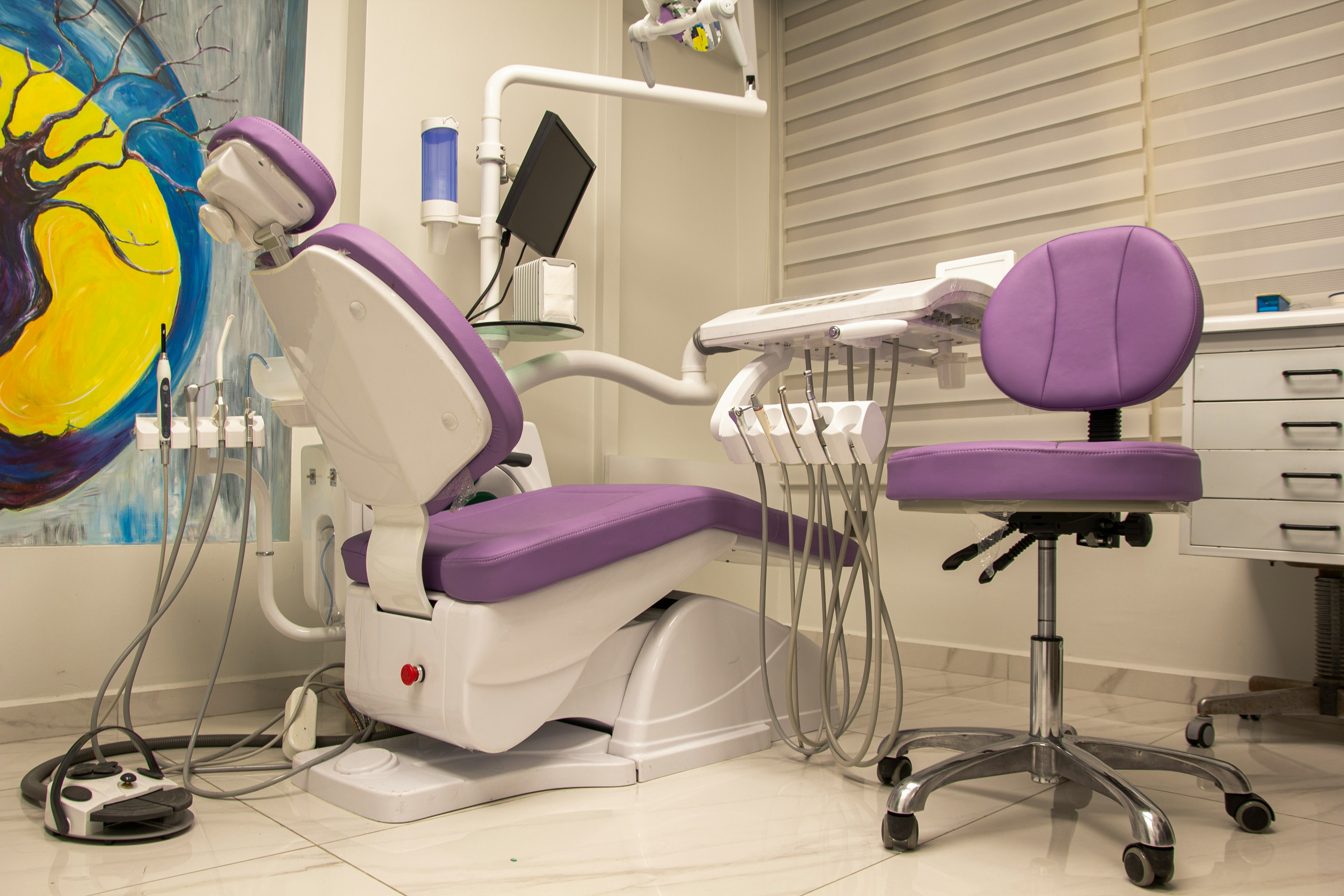
At Gargi’s Dental Care in Kolkata, we provide safe, personalized care for a range of oral surgical needs — from extractions and wisdom teeth to implant planning and advanced restorative solutions. Our team focuses on patient comfort, clear guidance, and precise treatment at every stage.
If you’ve been advised to undergo oral surgery or are dealing with ongoing dental pain, timely treatment can make all the difference.
Book your consultation at Gargi’s Dental Care today and receive expert care with confidence.