Understanding Biofilm and Its Role in Oral Health
Understanding Biofilm and Its Role in Oral Health
Most people are familiar with plaque, but fewer understand the science behind it. One of the key concepts in oral health is biofilm — a sticky, organized layer of bacteria that naturally forms inside the mouth. While not all oral bacteria are harmful, unmanaged biofilm can become a major contributor to cavities, gum disease, bad breath, and other dental problems.
Understanding biofilm and how it behaves can help you take better control of your oral hygiene.
What Is Oral Biofilm?
Biofilm is a thin, sticky community of microorganisms that attaches to surfaces inside the mouth, especially teeth and gums. It contains bacteria, saliva, food particles, and other substances that form a protective structure.
Dental plaque is essentially a type of oral biofilm.
Unlike loose food debris, biofilm strongly adheres to tooth surfaces and is not easily washed away by water alone.
How Does Biofilm Form?
Biofilm formation begins soon after cleaning your teeth.
The process generally happens in stages:
Step 1: Pellicle Formation
A thin protein layer from saliva coats the teeth shortly after brushing.
Step 2: Bacterial Attachment
Natural oral bacteria attach to this layer and begin multiplying.
Step 3: Biofilm Maturation
As bacteria grow, they form a structured, sticky colony protected by a matrix that helps them survive and communicate.
If not removed regularly, the biofilm becomes thicker and more complex.
Is All Biofilm Harmful?
No. The mouth naturally contains many bacteria, and some are beneficial or harmless.
Problems begin when harmful bacteria dominate and biofilm is allowed to accumulate.
An unhealthy biofilm can create acids and toxins that damage teeth and irritate gums.
Biofilm and Tooth Decay
One of the most important roles biofilm plays is in cavity formation.
When you eat sugary or starchy foods:
- bacteria within biofilm feed on sugars
- acids are produced
- enamel becomes weakened
- cavities begin to develop
Repeated acid exposure increases tooth decay risk.
Biofilm and Gum Disease
Biofilm does not only affect teeth.
When it builds near the gumline, it can trigger:
- gum redness
- swelling
- bleeding
- gingivitis
- deeper gum infections if untreated
As biofilm matures below the gums, managing it becomes more difficult without professional care.
Why Biofilm Is Difficult to Remove
Biofilm behaves differently from simple bacterial contamination.
Its protective structure helps bacteria:
- stick firmly to teeth
- resist washing by saliva
- survive in challenging environments
- multiply efficiently
That is why mouth rinsing alone cannot fully remove it.
Signs of Excessive Biofilm Buildup
You may notice:
- fuzzy or sticky feeling on teeth
- bad breath
- bleeding while brushing
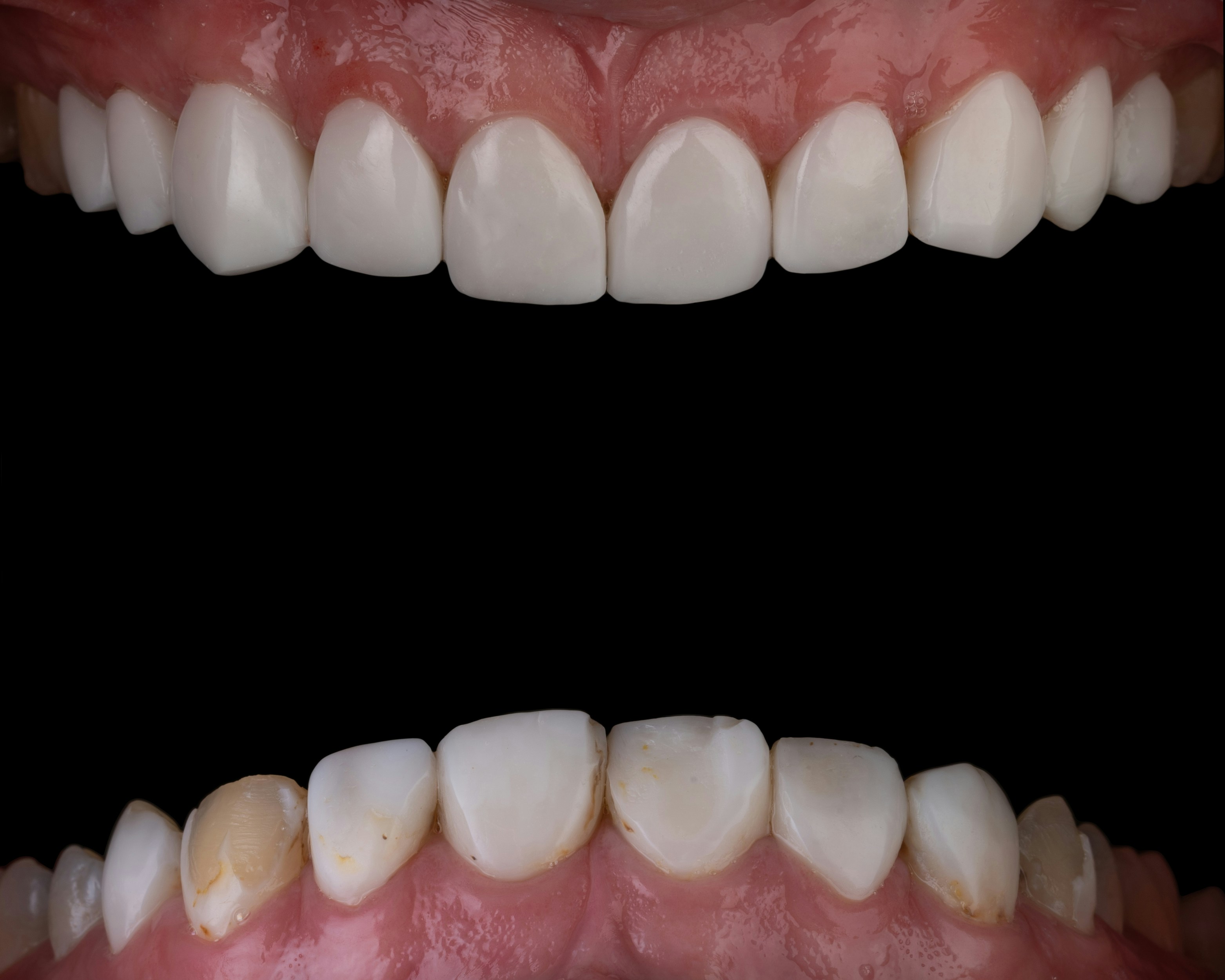
- yellow deposits near gums
- increased sensitivity
- frequent plaque buildup
These signs suggest the need for improved oral hygiene or professional cleaning.
How to Control Oral Biofilm
Managing biofilm requires consistent daily care.
Brush Properly
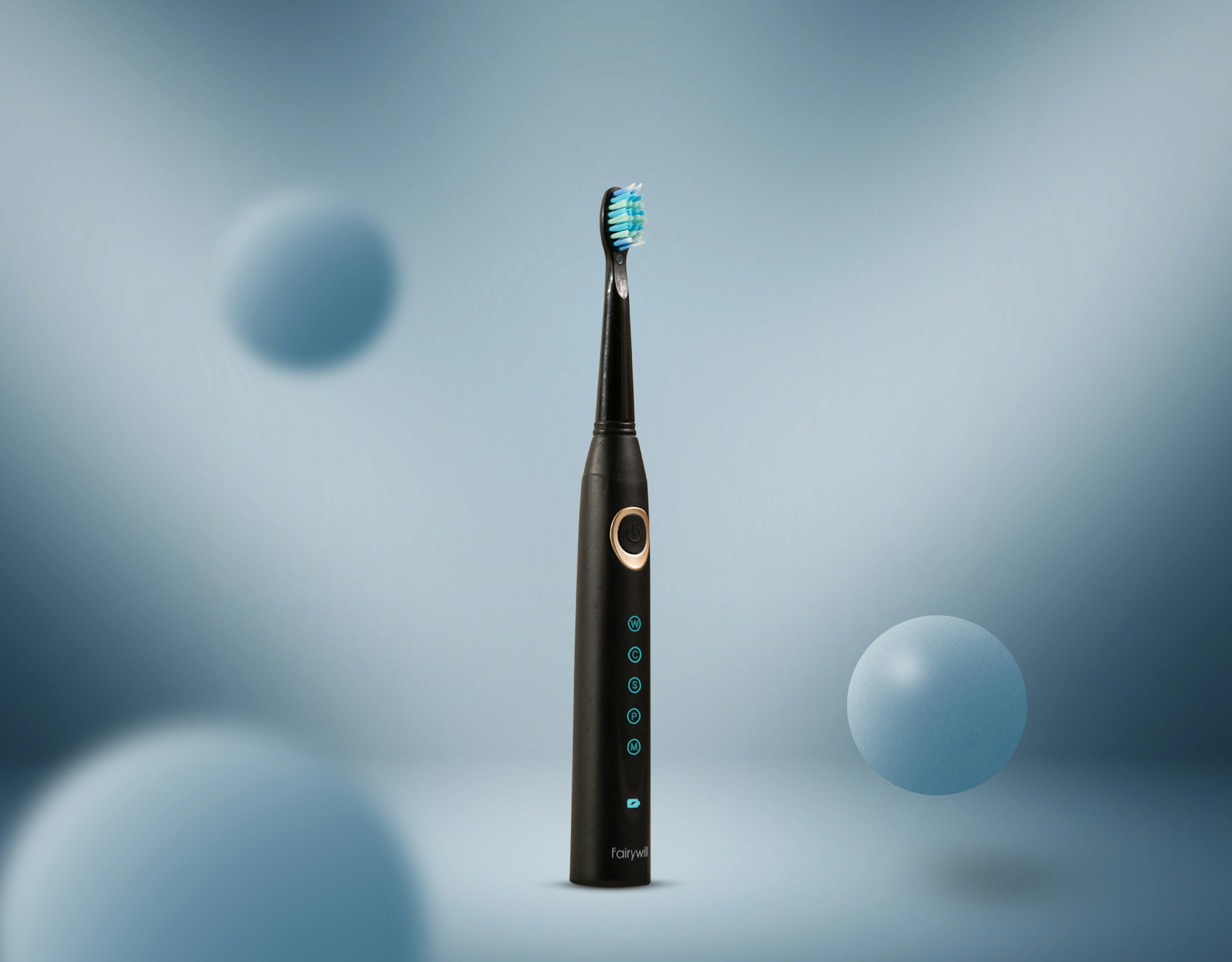
Brush twice daily using fluoride toothpaste and proper technique to disrupt biofilm before it thickens.
Floss Daily
Biofilm commonly develops between teeth where toothbrushes cannot reach.
Flossing helps remove hidden buildup.
Clean the Tongue
The tongue can harbor bacteria that contribute to biofilm and bad breath.
Limit Frequent Sugar Exposure
Constant sugary snacking feeds harmful bacteria and encourages biofilm growth.
Use Mouthwash if Recommended
Some antimicrobial rinses may help reduce bacterial levels, though they work best alongside brushing and flossing.
Why Professional Cleaning Matters
Even excellent brushing cannot remove hardened tartar formed from long-standing plaque.
Professional dental cleaning:
- removes tartar and mature biofilm
- reduces gum inflammation
- lowers cavity risk
- supports healthier gums
Routine dental visits remain essential.
The Future of Biofilm Management
Modern dentistry increasingly focuses on biofilm science to improve prevention and treatment. Understanding how bacterial communities behave helps dentists develop more targeted strategies for maintaining oral health.
Prevention today is becoming smarter and more personalized.
Preventive Dental Care at Gargi’s Dental Care
At Gargi’s Dental Care in Kolkata, we believe education and prevention are just as important as treatment. Our team helps patients understand plaque, biofilm, and gum health while providing professional cleaning and personalized oral hygiene guidance.
Healthy smiles begin with healthy habits — and informed care.
Book your appointment at Gargi’s Dental Care today and stay one step ahead of cavities and gum disease.