How to Deal with Persistent Bad Breath
How to Deal with Persistent Bad Breath
Persistent bad breath, also known as halitosis, is a common problem that can affect people of all ages. While occasional bad breath after eating certain foods is normal, chronic bad breath that doesn't go away with brushing or mouthwash may indicate an underlying oral or medical issue.
Besides being embarrassing, persistent bad breath can impact your confidence and social interactions. The good news is that most cases can be effectively treated once the root cause is identified.
What Causes Persistent Bad Breath?
Bad breath occurs when odour-producing bacteria break down food particles and other substances in the mouth. However, the underlying reason for this bacterial buildup can vary.
Common causes include:
- poor oral hygiene
- plaque and tartar buildup
- gum disease
- tooth decay
- dry mouth
- food trapped between teeth
- smoking or tobacco use
- certain foods such as garlic and onions
- medical conditions like sinus infections, acid reflux, or diabetes
Identifying the cause is the first step toward finding the right solution.
Poor Oral Hygiene
One of the leading causes of chronic bad breath is inadequate oral hygiene.
When brushing and flossing are inconsistent, food particles remain in the mouth and bacteria multiply, producing unpleasant-smelling compounds.
Plaque accumulation can also increase the risk of cavities and gum disease.
Gum Disease
Persistent bad breath is often an early sign of gum disease.
Inflamed gums create spaces called periodontal pockets where bacteria thrive.
Other symptoms may include:
- bleeding gums
- swollen or tender gums
- gum recession
- loose teeth in advanced cases
Treating gum disease often helps improve breath as well.
Dry Mouth
Saliva naturally cleanses the mouth by washing away food particles and bacteria.
Reduced saliva production, known as xerostomia, can lead to:
- bad breath
- increased cavity risk
- difficulty swallowing
- a sticky feeling in the mouth
Dry mouth may result from:
- dehydration
- certain medications
- mouth breathing
- smoking
- some medical conditions
Tongue Bacteria
The tongue, particularly the back portion, provides an ideal surface for bacteria to accumulate.
If the tongue is not cleaned regularly, these bacteria can contribute significantly to unpleasant breath.
Cleaning your tongue daily is an important part of oral hygiene.
Tooth Decay and Dental Infections
Untreated cavities and dental infections can trap bacteria and food debris, producing a persistent unpleasant odour.
Warning signs include:
- toothache
- sensitivity
- swelling
- pus around a tooth
- persistent bad taste in the mouth
Prompt treatment is essential to prevent complications.
Lifestyle Habits That Can Worsen Bad Breath
Certain habits may increase the likelihood of persistent bad breath, including:
- smoking or chewing tobacco
- frequent alcohol consumption
- skipping meals
- excessive coffee intake
- inadequate water intake
Making healthier lifestyle choices can improve both oral and overall health.
How to Get Rid of Persistent Bad Breath
Managing chronic bad breath requires more than simply masking the odour.
Brush Twice a Day
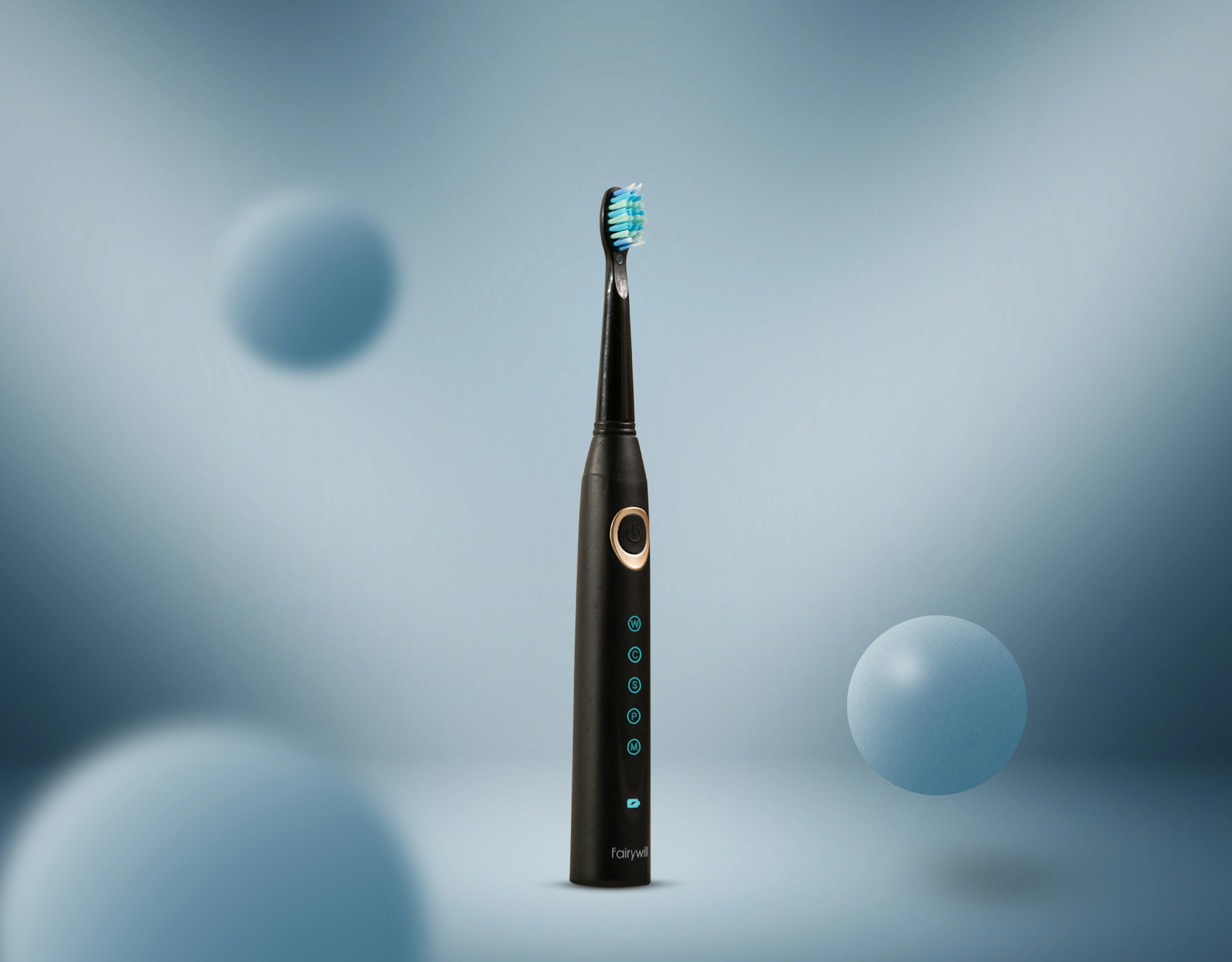
Brush your teeth thoroughly for at least two minutes using fluoride toothpaste.
Pay special attention to the gumline where plaque tends to accumulate.
Floss Daily
Flossing removes food particles and plaque from between teeth—areas your toothbrush cannot reach.
Clean Your Tongue
Use a tongue scraper or your toothbrush to gently clean the tongue every day.
This helps reduce bacteria responsible for bad breath.
Stay Hydrated
Drink plenty of water throughout the day to support healthy saliva production and keep your mouth moist.
Limit Tobacco and Alcohol
Reducing or avoiding tobacco products and limiting alcohol consumption can improve breath and reduce the risk of other oral health problems.
Schedule Regular Dental Checkups
Routine professional cleanings remove tartar that cannot be eliminated through brushing alone and help detect underlying dental issues early.
When Should You See a Dentist?
Consult a dentist if:
- bad breath persists despite good oral hygiene
- you have bleeding or swollen gums
- you experience tooth pain or sensitivity
- you notice a persistent bad taste in your mouth
- you have loose teeth
- your family or friends frequently mention your bad breath
If no dental cause is identified, your dentist may recommend consulting a physician to investigate possible medical causes.
Don't Rely Only on Mouthwash
While mouthwash can temporarily freshen breath, it does not address the underlying cause of chronic halitosis.
If plaque, gum disease, dry mouth, or tooth decay is responsible, professional treatment and improved oral hygiene are needed for lasting results.
Fresh Breath Starts with Healthy Teeth and Gums
Persistent bad breath is often a sign that your mouth needs attention. Early diagnosis and proper treatment can not only eliminate unpleasant odours but also prevent more serious dental problems in the future.
Comprehensive Oral Care at Gargi's Dental Care
At Gargi's Dental Care in Kolkata, we help patients identify and treat the underlying causes of persistent bad breath through thorough dental examinations, professional cleanings, gum care, and personalized oral hygiene advice. Our goal is to help you achieve not only a healthy smile but also long-lasting fresh breath.
If bad breath has been affecting your confidence, don't ignore it.
Book your appointment at Gargi's Dental Care today and let our experienced team help you restore your oral health and smile with confidence.