How to Choose Between Invisalign and Traditional Braces
How to Choose Between Invisalign and Traditional Braces
If you are considering orthodontic treatment, one of the first questions you may face is: Should I choose Invisalign or traditional braces? Both options are effective for straightening teeth and correcting bite issues, but they work differently and suit different lifestyles and dental needs.
The right choice depends on factors such as treatment complexity, comfort, appearance, budget, and personal preference.
Understanding Invisalign and Traditional Braces
Before comparing them, it helps to understand how each treatment works.
What Is Invisalign?
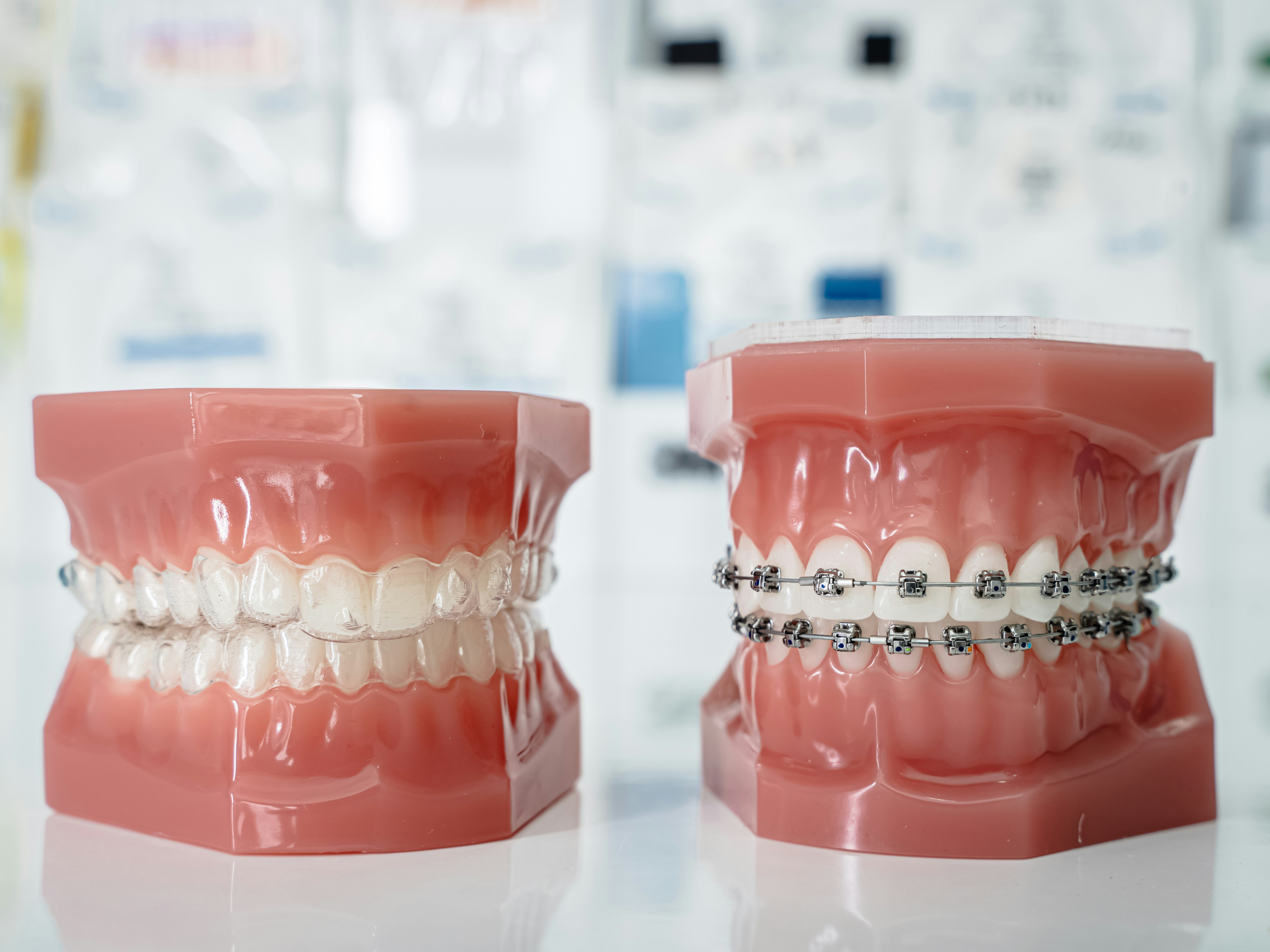
Invisalign uses a series of custom-made, clear plastic aligners that gradually move teeth into position. These aligners are removable and nearly invisible.
Patients wear each set for a specified period before progressing to the next one.
What Are Traditional Braces?
Traditional braces use brackets attached to teeth and connected with wires. Over time, controlled pressure moves the teeth into proper alignment.
Modern braces may be metal or ceramic and remain fixed during treatment.
Appearance: Which Is More Discreet?
For many adults and teens, appearance matters.
Invisalign
One of Invisalign’s biggest advantages is discretion. The clear aligners are difficult to notice, making them popular among professionals and image-conscious patients.
Traditional Braces
Metal braces are more visible, although ceramic braces provide a less noticeable option.
If appearance is a top priority, clear aligners often appeal more.
Comfort and Daily Experience
Orthodontic treatment requires adjustment regardless of method.
Invisalign Comfort
Since aligners are smooth and removable, they generally cause less irritation to cheeks and lips.
However, mild pressure is expected when changing aligners.
Braces Comfort
Braces may initially cause irritation from brackets and wires, especially after adjustments.
Orthodontic wax often helps during adaptation.
Eating and Food Restrictions
This is a major difference.
Invisalign
Aligners are removed while eating, allowing you to enjoy most foods.
You simply brush before putting them back.
Traditional Braces
Certain foods should be avoided because they may damage brackets or wires.
These include:
- sticky sweets
- hard nuts
- chewing gum
- crunchy snacks
- hard candies
Braces require more dietary caution.
Oral Hygiene and Cleaning
Invisalign
Because aligners are removable, brushing and flossing remain easier.
This helps maintain oral hygiene throughout treatment.
Braces
Cleaning around brackets takes more effort and requires careful brushing and flossing to avoid plaque buildup.
Good discipline is important.
Treatment Effectiveness and Complexity
Both options can be highly effective, but suitability varies.
Invisalign
Works well for many cases involving:
- mild to moderate crowding
- spacing
- certain bite issues
Success depends heavily on patient compliance.
Traditional Braces
Often preferred for:
- complex bite corrections
- severe crowding
- major tooth movement
- complicated orthodontic cases
Since braces remain fixed, they work continuously.
Commitment and Discipline
This is where personal habits matter.
Invisalign
Aligners must usually be worn 20–22 hours daily.
Frequent removal or inconsistent wear may delay results.
Braces
Because braces stay attached, they do not rely on patient discipline in the same way.
This can benefit younger patients or those who may forget aligners.
Treatment Duration
Treatment length varies depending on case complexity.
Some Invisalign and braces cases finish in similar timeframes, while others differ. Your orthodontic evaluation determines realistic expectations.
Cost Considerations
Cost depends on treatment complexity, duration, and materials.
Invisalign may sometimes cost more due to digital planning and custom aligners, though pricing varies between cases and clinics.
Braces often provide a wider range of cost options.
Which One Is Better?
There is no universal winner.
Invisalign may suit you if:
- you want a discreet option
- your case is mild to moderate
- you can wear aligners consistently
- easier cleaning is important
Traditional braces may suit you if:
- you have complex alignment issues
- you prefer fixed treatment
- compliance with removable aligners may be difficult
- you want a proven option for significant correction
The best choice is the one matched to your clinical needs and lifestyle.
Orthodontic Guidance at Gargi’s Dental Care
At Gargi’s Dental Care in Kolkata, we help patients choose orthodontic solutions based on more than appearance alone. Our team carefully evaluates alignment, bite function, comfort preferences, and treatment goals to recommend the most suitable option.
Whether you are considering Invisalign or traditional braces, expert guidance makes all the difference.
Book your consultation at Gargi’s Dental Care today and begin your journey toward a healthier, more confident smile.