Dental Implants vs Bridges: Pros and Cons
Dental Implants vs Bridges: Pros and Cons
If you're missing one or more teeth, replacing them is important for more than just your appearance. Missing teeth can affect your ability to chew, speak clearly, maintain proper bite alignment, and preserve jawbone health. Two of the most common tooth replacement options are dental implants and dental bridges.
Both treatments are highly effective, but they work differently and have their own advantages and limitations. The right choice depends on factors such as your oral health, jawbone condition, budget, and long-term goals.
Why Replacing Missing Teeth Is Important
Leaving a missing tooth untreated can lead to several problems over time, including:
- difficulty chewing
- shifting of neighbouring teeth
- bite misalignment
- jawbone loss
- changes in facial appearance
- increased risk of gum disease
Replacing missing teeth helps restore both function and confidence.
What Is a Dental Implant?
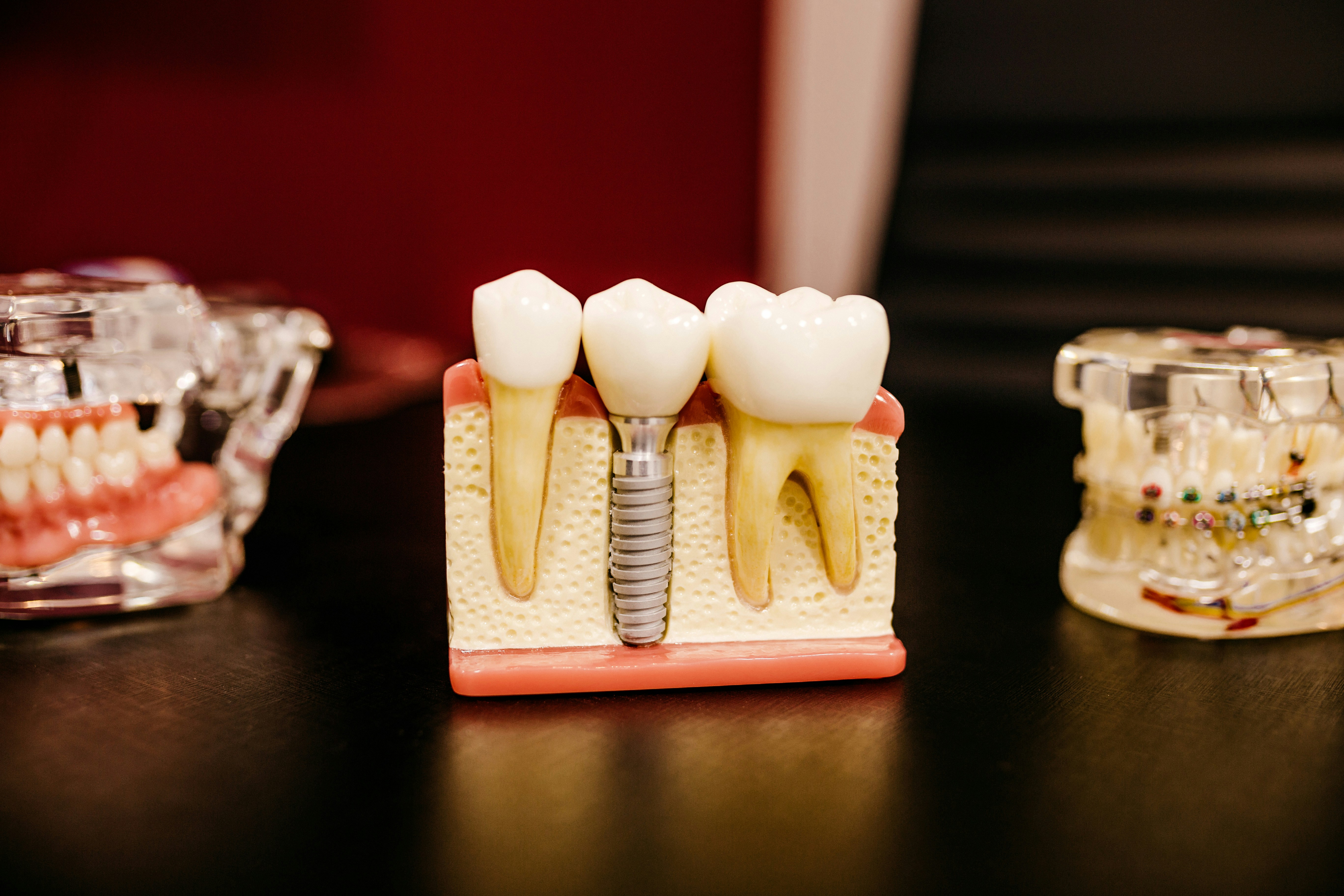
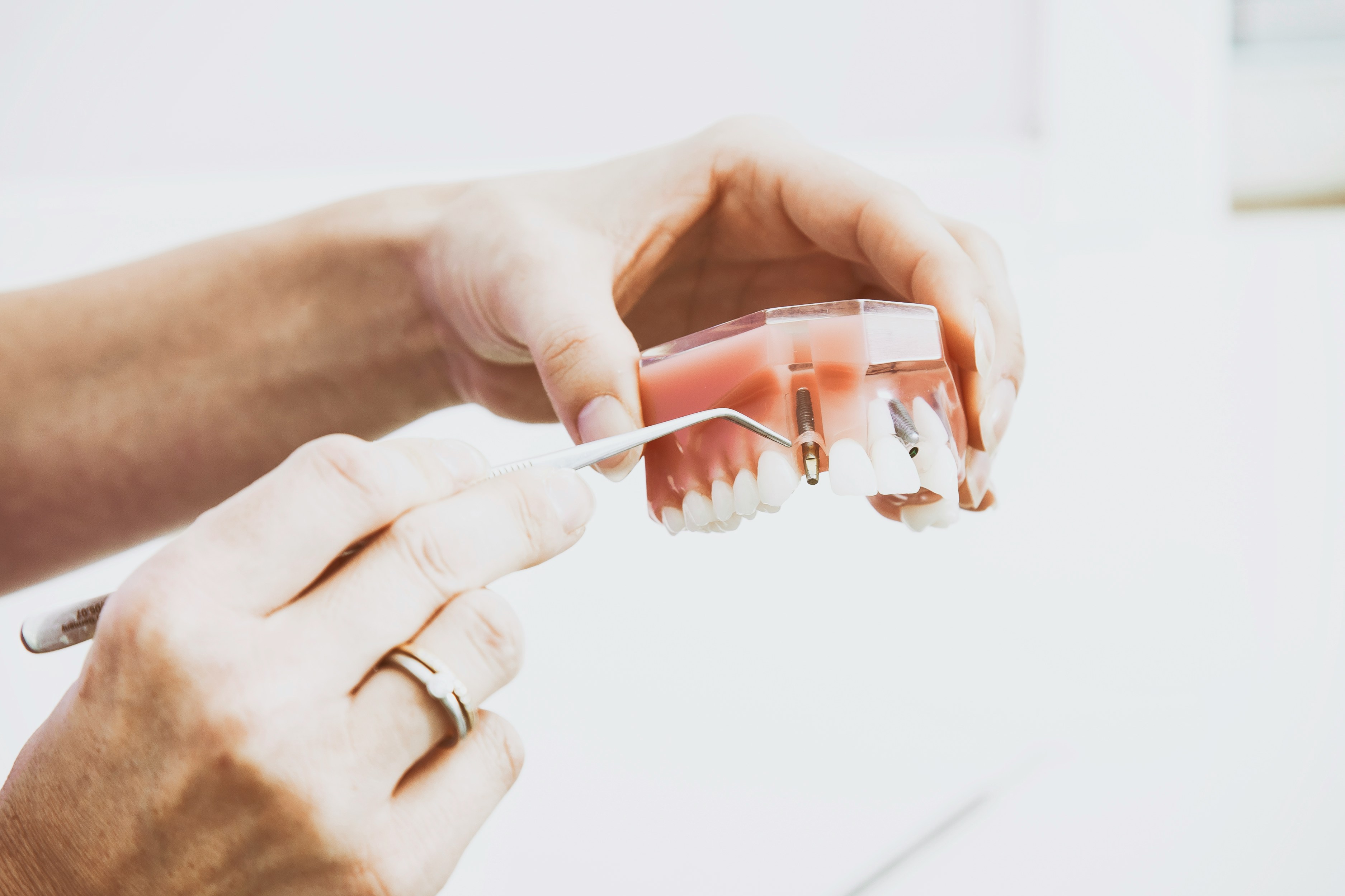
A dental implant is an artificial tooth root, usually made of titanium, that is surgically placed into the jawbone. Once it fuses with the bone through a process called osseointegration, a custom-made crown is attached to restore the appearance and function of the missing tooth.
Dental implants closely mimic the structure of natural teeth.
What Is a Dental Bridge?
A dental bridge replaces one or more missing teeth by anchoring an artificial tooth (or teeth) to the natural teeth or dental crowns on either side of the gap.
Unlike implants, bridges do not replace the tooth root and rely on adjacent teeth for support.
Advantages of Dental Implants
Natural Look and Feel
Dental implants are designed to look, feel, and function like natural teeth, allowing you to eat, speak, and smile with confidence.
Preserves Jawbone Health
Since implants replace the tooth root, they stimulate the jawbone during chewing. This helps reduce the bone loss that typically occurs after a tooth is lost.
Protects Adjacent Teeth
Unlike bridges, implants do not require neighbouring healthy teeth to be reshaped or used for support.
Long-Term Durability
With proper care and regular dental checkups, dental implants can last for many years and, in some cases, even a lifetime.
Easy Maintenance
Implants can be brushed and flossed much like natural teeth, making daily oral hygiene straightforward.
Disadvantages of Dental Implants
Dental implants may not be suitable for everyone.
Some considerations include:
- they require minor oral surgery
- treatment usually takes several months from placement to final restoration
- the initial cost is generally higher than a bridge
- sufficient healthy jawbone is needed to support the implant
In some cases, additional procedures such as bone grafting may be required.
Advantages of Dental Bridges
Faster Treatment
A bridge can often be completed in fewer appointments than an implant, making it a quicker option for many patients.
No Surgery Required
Unlike implants, bridges do not involve surgical placement into the jawbone.
Effective Tooth Replacement
Bridges restore chewing ability, improve appearance, and prevent neighbouring teeth from shifting into the empty space.
Suitable for Some Patients
A bridge may be recommended for patients who are not suitable candidates for implant surgery due to certain health conditions or insufficient jawbone.
Disadvantages of Dental Bridges
While bridges are highly effective, they also have some limitations.
These include:
- healthy adjacent teeth often need to be reshaped to support the bridge
- they do not prevent jawbone loss beneath the missing tooth
- cleaning underneath the bridge requires extra care
- bridges may need replacement after several years depending on wear and oral hygiene
Dental Implants vs Bridges: A Quick Comparison
| Feature | Dental Implants | Dental Bridges |
|---|---|---|
| Replaces tooth root | Yes | No |
| Requires surgery | Yes | No |
| Affects neighbouring teeth | No | Usually yes |
| Helps preserve jawbone | Yes | No |
| Treatment time | Longer | Shorter |
| Initial cost | Higher | Generally lower |
| Longevity | Often several decades with proper care | Typically 10–15 years with good maintenance |
Which Option Is Right for You?
The ideal treatment depends on several factors, including:
- the number of missing teeth
- the health of your gums
- the amount of available jawbone
- the condition of neighbouring teeth
- your overall medical history
- your budget
- your long-term expectations
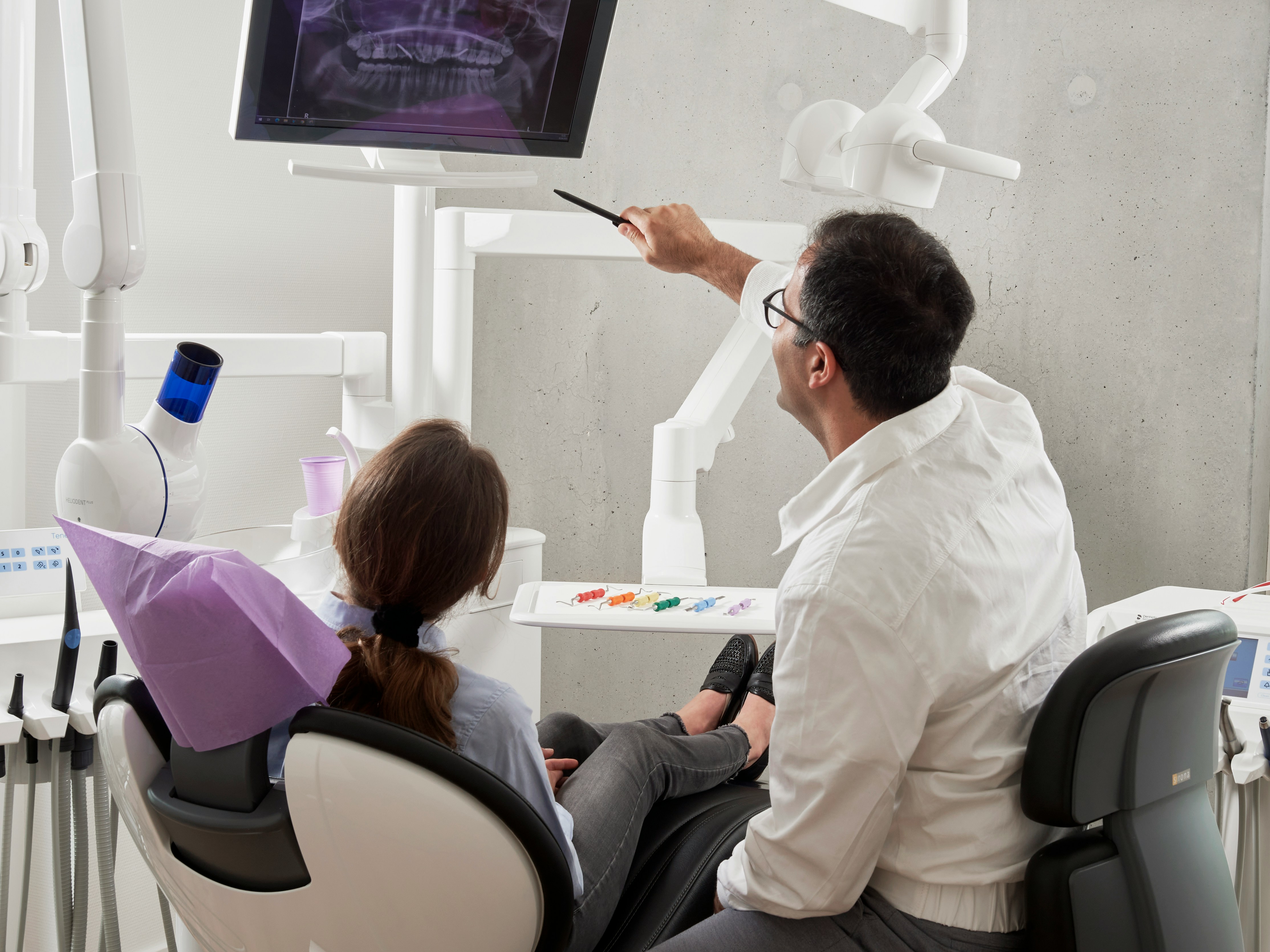
A comprehensive dental examination, including X-rays or other imaging, helps determine the most appropriate treatment plan.
Caring for Your Replacement Teeth
Whether you choose an implant or a bridge, good oral hygiene is essential.
Remember to:
- brush twice daily
- floss every day
- clean around restorations carefully
- avoid tobacco products
- visit your dentist regularly for checkups and professional cleanings
Proper care helps maximize the lifespan of your restoration.
Expert Tooth Replacement at Gargi's Dental Care
At Gargi's Dental Care in Kolkata, we understand that every patient's needs are unique. Our experienced team carefully evaluates your oral health, discusses your goals, and recommends the most suitable tooth replacement option—whether that's a dental implant, a bridge, or another restorative solution.
Our focus is on restoring your smile, improving your oral function, and helping you enjoy long-lasting confidence.
Book your consultation at Gargi's Dental Care today to explore the best solution for replacing your missing teeth and restoring your smile.