Baby Bottle Tooth Decay: Causes and Prevention
Baby Bottle Tooth Decay: Causes and Prevention
Baby bottle tooth decay, also called early childhood caries, is a common dental problem affecting infants and toddlers. While many parents focus on feeding and nutrition, they often overlook oral care for little ones. Leaving a child’s teeth exposed to sugars from milk, formula, or juice for long periods can lead to rapid decay, affecting both baby teeth and long-term oral health. Early prevention is key to keeping your child’s smile healthy and pain-free.
What Is Baby Bottle Tooth Decay?
Baby bottle tooth decay occurs when sugars from milk or juice interact with bacteria in the mouth, producing acids that erode tooth enamel. The upper front teeth are most commonly affected, though other teeth can also develop cavities. If untreated, decay can cause pain, difficulty eating, infections, and may impact the alignment of permanent teeth later.
Common Causes
1. Prolonged Bottle Feeding
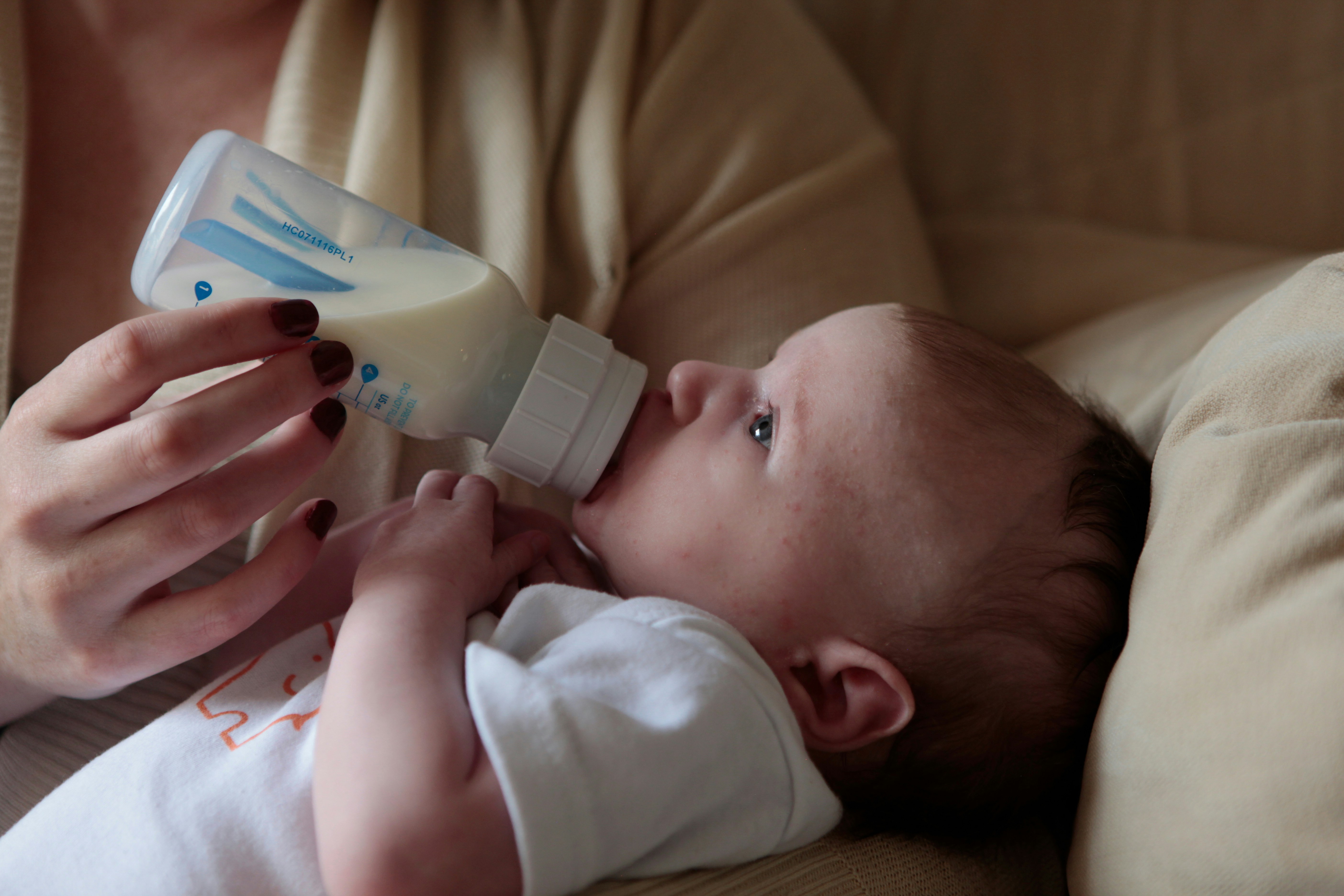
Leaving a bottle in a child’s mouth while sleeping or for long periods exposes teeth to sugars constantly, creating a perfect environment for decay.
2. Sugary Drinks in Bottles
Juices, flavored milk, and sweetened liquids increase the risk of cavities when fed through a bottle.
3. Poor Oral Hygiene
Even newborn teeth need care. Skipping cleaning after feeding allows bacteria to thrive and attack enamel.
4. Frequent Snacking
Frequent exposure to snacks or sweet treats in addition to bottle feeding accelerates decay.
5. Inadequate Fluoride
Fluoride strengthens enamel. Low exposure, especially in early childhood, makes teeth more vulnerable to cavities.
Signs of Baby Bottle Tooth Decay
- White or brown spots on the teeth
- Visible pits or holes in teeth
- Pain while chewing or biting
- Swelling or redness in gums
- Irritability or difficulty sleeping
Early recognition is important to prevent more severe decay or infections.
Prevention Tips
1. Avoid Putting Children to Bed With a Bottle
If your child needs a bottle at bedtime, fill it with plain water instead of milk or juice.
2. Clean Baby’s Teeth Early
Start cleaning your baby’s gums even before teeth appear using a soft cloth or silicone brush. Once teeth emerge, use a small, soft-bristled toothbrush with a tiny smear of fluoride toothpaste.
3. Limit Sugary Drinks
Avoid juice, sweetened milk, or soda in bottles. Encourage water or plain milk in small amounts.
4. Encourage Early Dental Visits
The American Academy of Pediatric Dentistry recommends a first dental visit by age 1. Early check-ups help detect risks and provide guidance for oral care.
5. Promote Healthy Feeding Habits
Transition from bottle to cup around age 1. Avoid prolonged snacking and maintain regular mealtimes.
6. Use Fluoride Smartly
Ask your dentist about fluoride varnish or supplements if your child’s water supply lacks fluoride.
Treatment Options
If decay has started, a pediatric dentist may recommend:
- Fluoride treatments to strengthen enamel
- Dental fillings for cavities
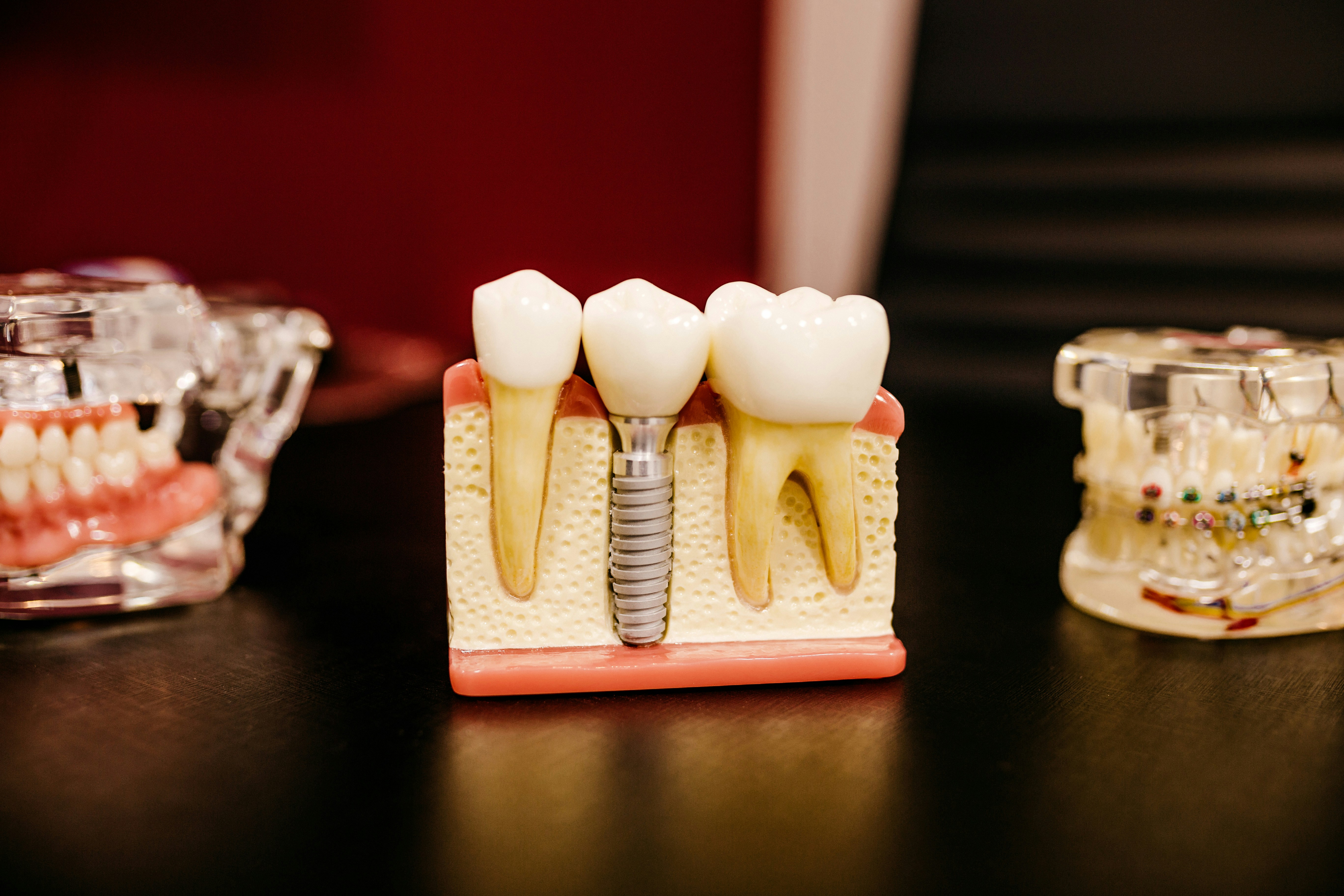
- Crowns in severe cases to restore tooth structure
- Extraction only when necessary
Timely intervention prevents pain, infections, and misalignment of future permanent teeth.
Gargi’s Dental Care: Protect Your Child’s Smile
Gargi’s Dental Care in Kolkata provides specialised pediatric dental care, including preventive guidance, fluoride treatments, and early cavity management. Our team helps parents establish proper oral hygiene habits, protect baby teeth, and ensure a healthy transition to permanent teeth.
Book your child’s appointment today at Gargi’s Dental Care and give your little one the gift of a strong, healthy smile.